
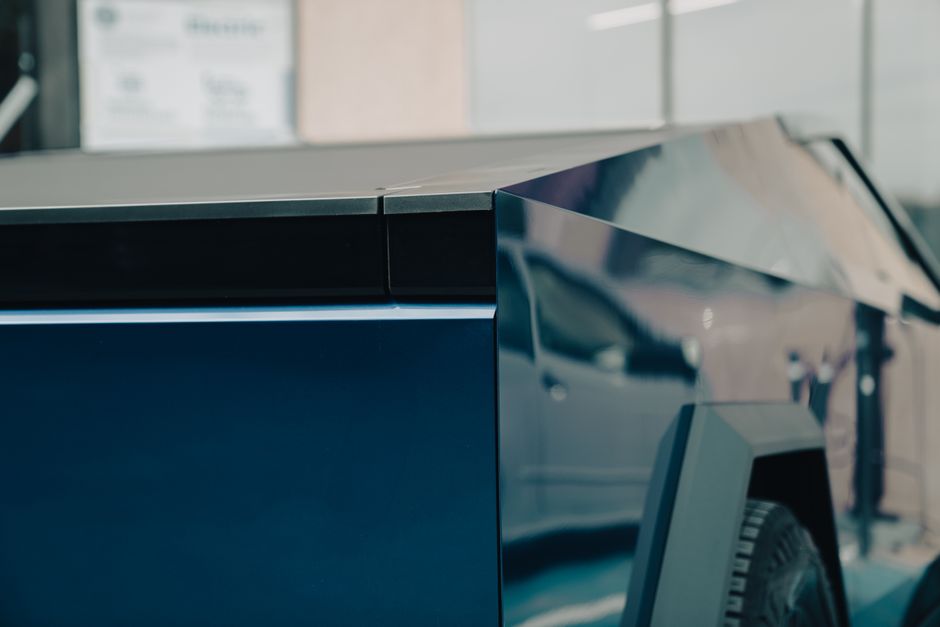
Tesla CEO Elon Musk announced plans to cease Cybertruck production at the company’s Texas factory by mid-2027, marking a significant pivot toward autonomous vehicle manufacturing as the electric automaker prepares to scale up production of its Cybercab robotaxi fleet.
Production Shift Signals New Direction
The decision to wind down Cybertruck manufacturing at Gigafactory Texas represents a major strategic realignment for the Austin-based facility. Tesla will repurpose existing production lines and factory floor space currently dedicated to the angular electric pickup truck to accommodate increased output of the Cybercab, the company’s purpose-built autonomous taxi vehicle unveiled in late 2024.
The Cybertruck, which began deliveries in late 2023 after years of delays, generated considerable consumer interest with its stainless steel exterior and unconventional design. However, production challenges and higher-than-expected manufacturing costs plagued the vehicle throughout its limited run. Industry analysts estimate Tesla produced fewer than 150,000 Cybertrucks total before announcing the production halt.

Elon Musk said production will wind down in mid-2027 to make room for Cybercab production.

Robotaxi Ambitions Take Priority
Tesla’s Cybercab program represents the company’s entry into the autonomous ride-hailing market, competing directly with established players and tech companies developing similar services. The two-seat vehicle features no steering wheel or pedals, relying entirely on Tesla’s Full Self-Driving technology to navigate city streets and highways.
Musk has repeatedly emphasized autonomous vehicles as crucial to Tesla’s long-term profitability and market valuation. The CEO projects robotaxi services could generate substantially higher margins than traditional vehicle sales, with individual Cybercabs potentially earning revenue around the clock through continuous ride-hailing operations.
Market and Employment Implications
The production change raises questions about employment at Gigafactory Texas and the broader pickup truck market. Tesla has not disclosed whether workers currently manufacturing Cybertrucks will transition to Cybercab production lines or face potential layoffs. The company employs approximately 20,000 people at the Texas facility.
Current Cybertruck reservation holders may face uncertainty regarding order fulfillment before the production cutoff. Tesla’s website has not updated delivery timelines following Musk’s announcement, leaving thousands of customers awaiting clarity on whether their orders will be honored.
What This Means
Tesla’s decision reflects broader industry trends toward autonomous vehicle development and questions about consumer pickup truck demand at premium price points. The shift demonstrates how quickly automotive manufacturers must adapt strategies in response to technological advancement and market conditions. For American workers and consumers, the transition highlights ongoing debates about automation’s impact on traditional employment and transportation infrastructure.