
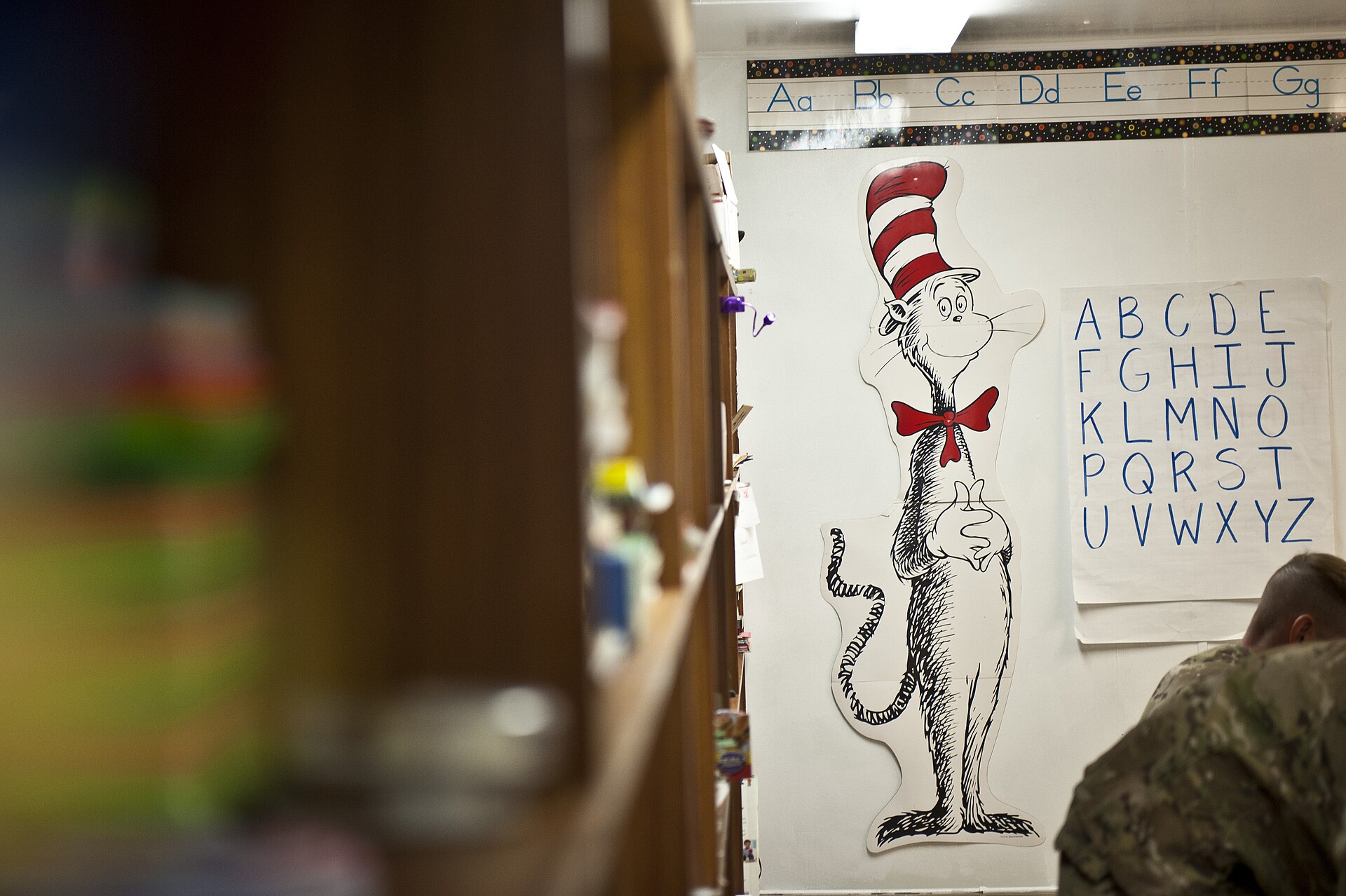
A Texas student faces a third-degree felony charge after posting a threatening video featuring Dr. Seuss’s Cat in the Hat character, despite claiming it was meant as a joke. The Potter County Sheriff’s Office confirms the student admitted to creating the post that targeted multiple juveniles, highlighting how viral social media pranks can trigger serious criminal consequences.
Student Admits to Posting Threat Video
The Potter County Sheriff’s Office launched an investigation after receiving a report on August 31 about potential threats directed at multiple juveniles. Sheriff Brian Thomas confirmed investigators conducted several interviews and identified the Bushland ISD student as the account owner. During questioning, the student acknowledged posting the threatening video but insisted it was intended as a joke. Authorities charged the student with making a terroristic threat, a third-degree felony that carries significant penalties under Texas law.
Viral Trend Spreads Across Texas Schools
The case reflects a broader trend involving AI-generated or digitally altered images showing a menacing version of the beloved children’s book character near homes, neighborhoods, and schools. Some posts include vague or direct threats targeting students or specific communities. Multiple Texas school districts, including Robstown ISD and Canutillo ISD, addressed the trend after similar videos circulated in their areas. Robstown Police Chief Filiberto Tagle contacted the FBI, while district police coordinated with federal and local law enforcement agencies to assess potential threats.
Both districts determined no credible threats existed to their campuses or surrounding communities. State and federal law enforcement described the trend as an apparent hoax with no evidence of actual dangerous activity occurring. Despite the lack of credible threats, district officials emphasized that all threatening posts warrant serious investigation regardless of intent.
Schools Warn of Serious Consequences
Texas school districts issued stern warnings to parents and students about the consequences of creating or sharing threatening content. Robstown ISD urged families to “See it. Don’t share it. Report it,” emphasizing that participants face school discipline, criminal charges, and arrest even when posts are intended as pranks. Canutillo ISD stated plainly: “Threats are not jokes or harmless pranks.” The districts encouraged parents to discuss the serious legal and educational consequences with their children and report concerning posts instead of circulating them.
This incident follows a September 2024 case where Lewisville ISD charged four middle school students with making terroristic threats after they copied false social media posts attempting to avoid school. The recurring pattern demonstrates how quickly online pranks can escalate into felony charges, particularly when they involve threats against schools or students in today’s heightened security environment.