
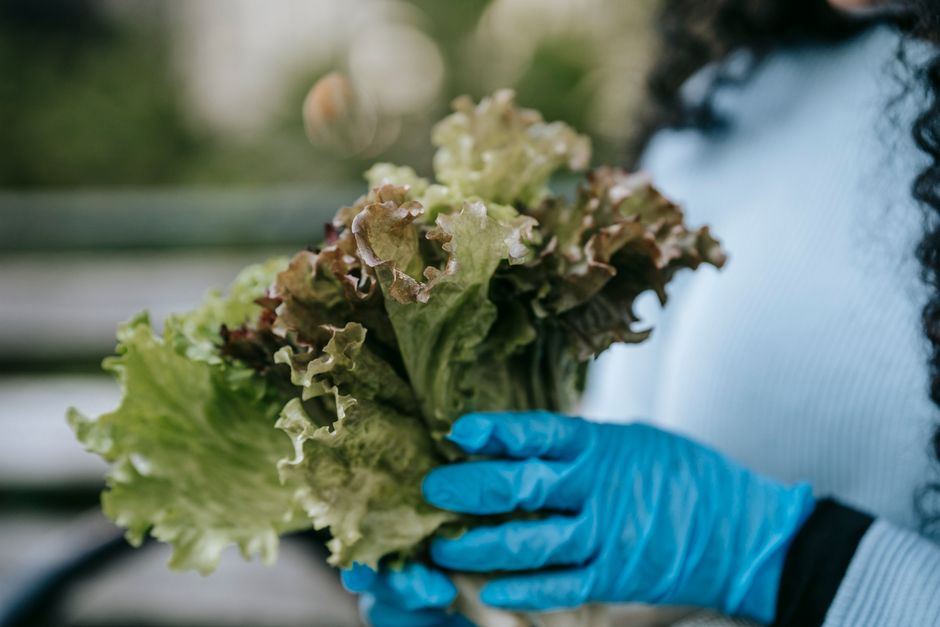
A food safety crisis affecting nearly 11,500 Americans has expanded to 20 states, with federal health officials confirming the largest parasite outbreak of its kind in United States history stems from contaminated iceberg lettuce imported from a Mexican farm.
Outbreak Expands Across Nation
The Food and Drug Administration announced Thursday that cyclospora cases have now been identified in Georgia, Tennessee, and Texas, adding three states to the growing outbreak tally. Federal officials report 11,458 confirmed cases, up from approximately 10,900 just one week earlier. The FDA, Centers for Disease Control and Prevention, and state health departments have traced the contamination to lettuce grown at a central Mexico facility operated by Taylor Farms, a major American produce supplier.
Federal inspectors continue examining and testing produce at the Mexican farm alongside government officials from Mexico. The FDA maintains that all recalled iceberg lettuce connected to this specific outbreak has been removed from store shelves and the commercial food supply chain.
Record-Breaking Health Crisis
The current outbreak represents an unprecedented public health challenge. This year alone, the CDC has documented approximately 29,000 confirmed or suspected cyclospora cases nationwide, with 922 hospitalizations reported. The previous worst year for infections occurred in 2019, when roughly 4,700 illnesses were documented across the country. The 2026 outbreak has already exceeded that figure by more than 240 percent.
Cyclospora is a microscopic parasite that triggers severe gastrointestinal distress, primarily causing watery diarrhea with frequent and sometimes explosive bowel movements, according to CDC health guidelines. The heat-loving parasite infects intestinal systems and spreads through fecal contamination. Outbreaks typically occur during late spring and summer months when temperatures favor parasite survival and reproduction.
What This Means For Food Safety
The illness, called cyclosporiasis, remains less common than foodborne sicknesses caused by salmonella or E. coli bacteria. Many cyclospora cases are never successfully traced to a specific food source or contamination point. Health officials emphasize that consumers should thoroughly wash all produce and remain vigilant about food recalls. The current crisis highlights ongoing challenges in international food supply chain oversight and the difficulties federal agencies face monitoring imported agricultural products that millions of American families consume daily.