
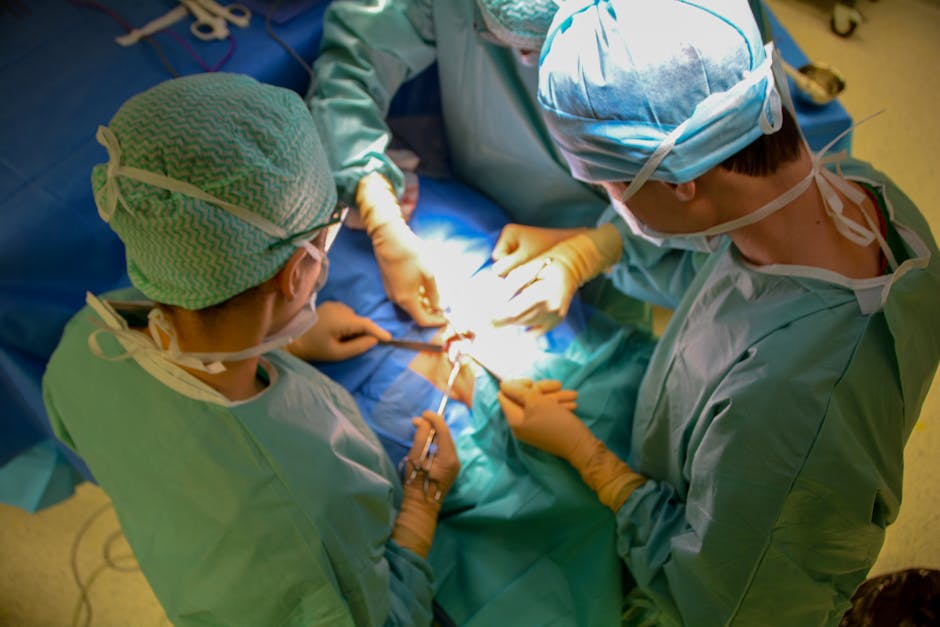
A Michigan grandfather waiting years for a kidney transplant contracted rabies from the donated organ and died, marking an exceptionally rare transmission of the deadly virus through transplantation that raises urgent questions about organ screening protocols.
Fatal Transplant Transmission
The Michigan man, whose identity has not been publicly released, spent years on the kidney transplant waiting list hoping the procedure would save his life. After finally receiving a donor kidney, he contracted rabies from the transplanted organ. The virus proved fatal despite the transplant being intended as a life-saving measure. Rabies transmitted through organ transplantation remains extraordinarily uncommon, with only a handful of documented cases worldwide over the past several decades.


Medical officials confirmed the rabies transmission occurred through the kidney donation itself. The donor apparently carried the virus without detection during the standard screening process. Once rabies symptoms appear in humans, the disease is nearly always fatal, with fewer than 20 documented cases of survival after clinical symptoms develop. The virus attacks the central nervous system, causing brain inflammation that leads to death within days of symptom onset.
Screening Protocol Questions
The case has prompted scrutiny of current organ donor screening procedures. Standard testing protocols focus primarily on infectious diseases like HIV, hepatitis, and bacterial infections. Rabies screening is not routinely performed on organ donors because transmission through transplantation is considered exceptionally rare. However, this Michigan case demonstrates the potential for undetected rabies to pass through the donation system with devastating consequences for recipients.
Health officials have not disclosed whether other organs from the same donor were transplanted into additional recipients, or if those individuals have been contacted and monitored for potential rabies exposure. The incubation period for rabies can range from weeks to months, though symptoms typically appear within one to three months after exposure. Once contracted through organ transplantation, the virus spreads rapidly because it bypasses normal exposure routes.
Rare But Deadly Risk
Medical literature documents fewer than 30 cases globally of rabies transmission through solid organ transplantation since records began. The rarity of such cases has made comprehensive screening economically and logistically challenging for transplant programs. Rabies kills approximately 59,000 people worldwide annually, primarily through animal bites in developing countries. In the United States, only one to three rabies deaths occur each year on average, making domestic transmission through organ donation an almost unheard-of occurrence until now.
The Michigan grandfather’s death serves as a tragic reminder that even life-saving medical procedures carry unforeseen risks. His family waited years for the transplant opportunity that they hoped would extend his life, only to lose him to a virus transmitted by the very organ meant to save him.