
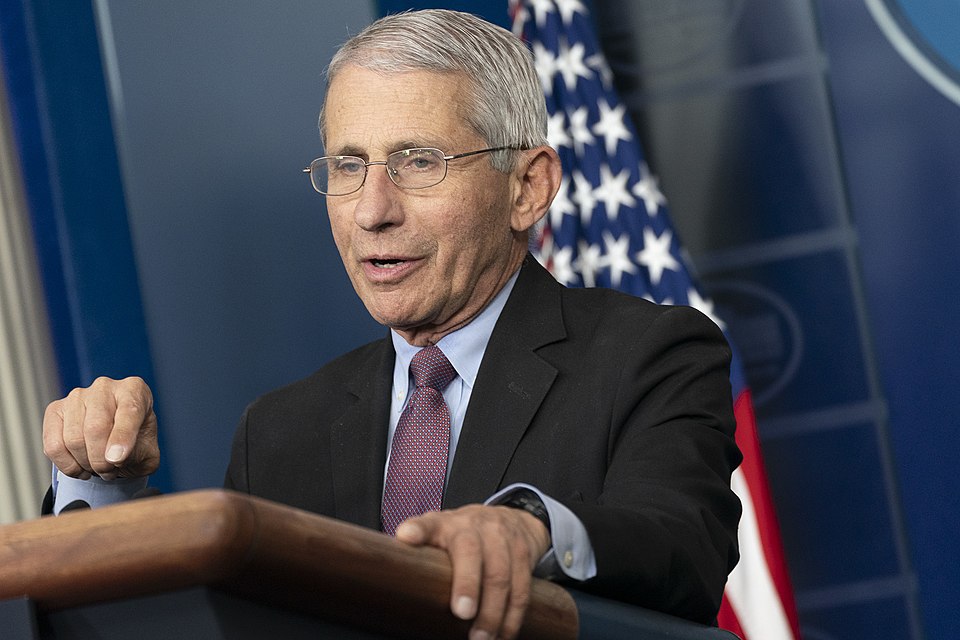
Dr. Anthony Fauci walked away from reporters outside his home Thursday, refusing to answer questions about pleading the Fifth Amendment 111 times during a Senate hearing or address potential regrets about his pandemic policies that affected millions of Americans.
Silent After Contentious Senate Testimony
Fauci declined to respond when Fox News Digital asked if he regretted his handling of Wednesday’s Senate Homeland Security and Governmental Affairs Committee hearing. The former White House COVID adviser invoked his Fifth Amendment right against self-incrimination repeatedly during questioning by Chairman Sen. Rand Paul. In his opening statement, Fauci acknowledged the difficulty of his decision, citing respect for Congress and his decades-long record of cooperation, but followed his attorneys’ advice to remain silent throughout the proceedings.
When reporters followed up asking if he would do anything differently regarding COVID policies, Fauci again remained silent and walked away without comment. The refusal to engage came as controversy intensified over his pandemic-era decisions affecting school closures, lockdowns, and research funding policies that shaped American life for years.
Contempt Resolution and Legal Questions
Paul announced the committee will vote next week on a resolution holding Fauci in contempt of Congress. The Kentucky senator argues Fauci’s Fifth Amendment invocation lacks legal standing because President Biden previously pardoned him. Paul explained that the Fifth Amendment protects against self-incrimination, but immunity from prosecution eliminates the possibility of self-incrimination unless someone commits perjury. GOP senators have rallied behind Paul’s contempt effort, calling Fauci’s refusal to answer questions an obstruction of congressional oversight responsibilities.
Diary Entries Reveal Contradictions
Paul released over 1,100 pages of Fauci’s pandemic-era diary entries before the hearing, highlighting apparent inconsistencies between private notes and public statements. One entry documented early discussions among scientists about whether virus features could have been deliberately inserted, though Fauci publicly favored natural origin theories. Another contradiction involved school closures. Fauci publicly claimed he was not responsible for rallying schools to shut down, yet his diary revealed he influenced both New York and California officials to lock down their state school systems, affecting millions of children’s education.
What This Means
The confrontation outside Fauci’s home underscores ongoing tensions over pandemic accountability and government transparency. As the Senate prepares to vote on contempt charges, questions persist about COVID policy decisions that fundamentally altered American society. The diary revelations raise concerns about consistency between public health messaging and private communications during a national crisis that impacted constitutional rights, economic stability, and family life across the nation.