
A well-prepared kayaker’s emergency radio call from the frigid waters of the Salish Sea led to a successful Coast Guard rescue Friday morning, demonstrating how proper safety equipment can mean the difference between life and death in dangerous conditions.
Emergency Call From the Water
The 45-year-old man contacted Coast Guard officials just after 8:00 a.m. when his kayak overturned between North Beach and Sucia Island near Orcas Island. Despite being submerged in 54-degree water, he managed to keep his VHF radio dry and operational, transmitting a clear distress call on Channel 16. His companion remained upright in a separate kayak during the incident.
Audio recordings captured the kayaker’s calm mayday call as he requested immediate assistance. Coast Guard dispatchers quickly confirmed his location and verified both men wore life jackets before launching rescue operations. The capsized kayaker’s ability to communicate precise coordinates while treading water proved critical to the rapid response that followed.
Swift Rescue Operation
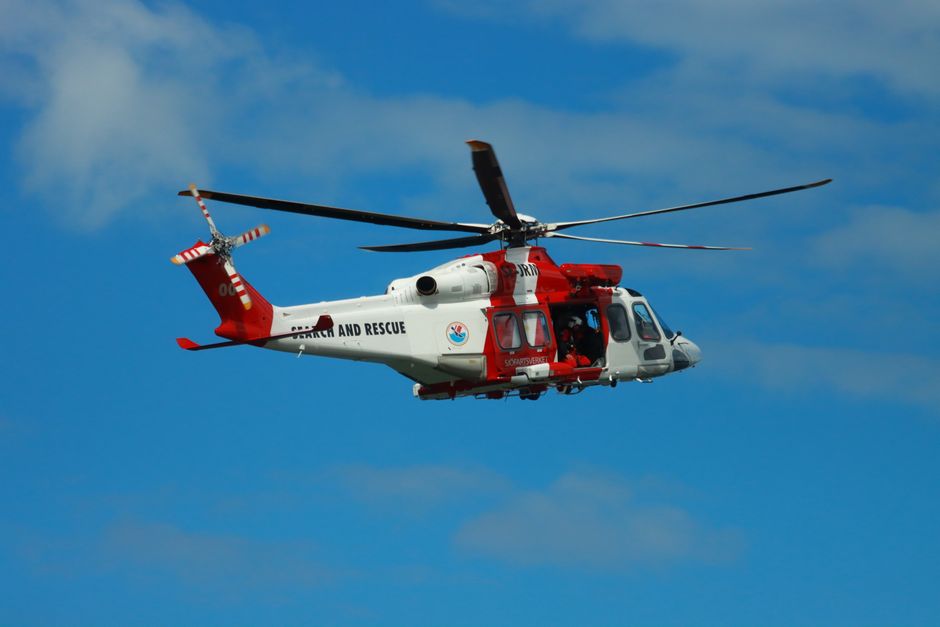
Coast Guard Station Bellingham dispatched a 45-foot response boat while Air Station Port Angeles launched an MH-65 Dolphin helicopter to the scene. Rescue crews arrived at 9:12 a.m., pulling the man from the water near Parker Reef on the west side of Orcas Island. They recovered his kayak and transported him to Brandt’s Landing Marina, where emergency medical personnel waited to provide treatment.
Weather conditions at the rescue site included eight-mile-per-hour winds, one-foot waves, and an air temperature of 60 degrees. The companion kayaker paddled safely to shore without assistance. Coast Guard officials transported the rescued man for emergency medical evaluation following his exposure to the cold water.
Why Preparation Matters
Lt. Allison Ruth, command duty officer for Sector Puget Sound, emphasized the critical role proper equipment played in saving the kayaker’s life. Both men wore dry suits and life jackets, while carrying emergency communication devices designed for marine use. In cold water conditions, hypothermia can set in within minutes, making rapid rescue response essential for survival.
The incident highlights the importance of safety protocols for anyone engaging in water activities in the Pacific Northwest, where water temperatures remain dangerously cold year-round. The kayakers’ decision to invest in proper gear and emergency equipment directly contributed to the successful outcome of this rescue operation.