
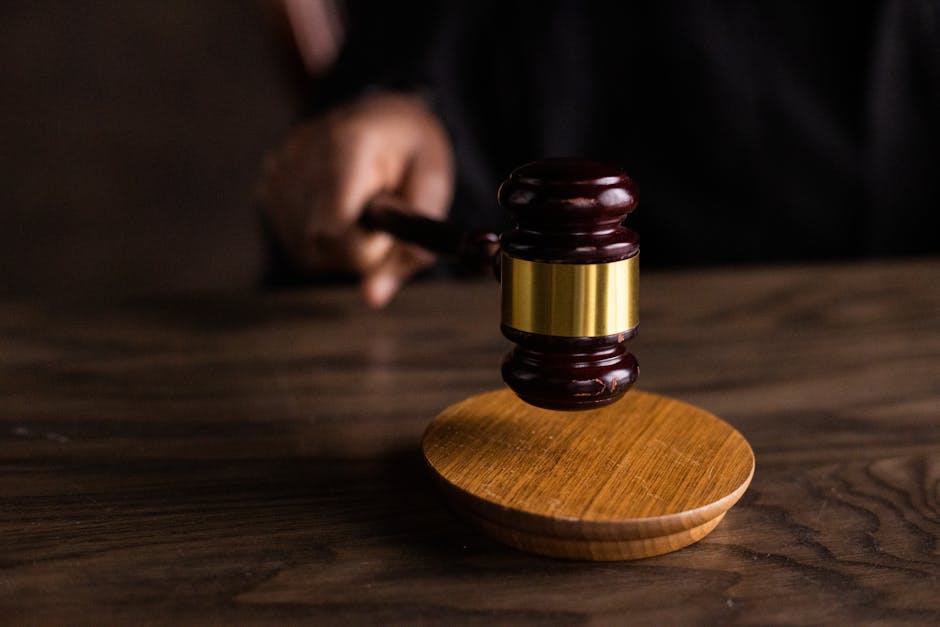
A Florida social media influencer who built his online following around appearance enhancement advice received his sentence in court for shooting at an alligator, but the courtroom proceedings took an unexpected turn when observers focused more attention on the presiding judge’s striking appearance than the case itself.
Sentencing Hearing Draws Unusual Attention
Braden Peters, known online as Clavicular to his followers interested in so-called looksmaxxing techniques, appeared before a Florida judge to face consequences for discharging a firearm at a protected alligator. The influencer had cultivated a substantial following by sharing advice on physical appearance improvement methods. However, the courtroom drama shifted when attendees and observers began commenting extensively on the judge’s notable appearance, effectively stealing attention from Peters during his own sentencing hearing. The ironic twist saw the appearance-focused influencer overshadowed at a critical moment.
Understanding the Charges
Florida law provides strict protections for alligators, which are considered important components of the state’s ecosystem. Shooting at these protected animals carries serious legal consequences, including potential criminal charges and significant fines. Peters faced the court to answer for his actions involving the alligator, which violated state wildlife protection statutes. The case highlights ongoing tensions between social media personalities seeking dramatic content and legal boundaries designed to protect wildlife. Florida authorities have increasingly cracked down on individuals who harm protected species, particularly when such actions appear motivated by creating sensational online content.
Social Media Culture and Legal Consequences
The looksmaxxing movement, which Peters promoted through his Clavicular persona, represents a growing online subculture focused on maximizing physical attractiveness through various methods. The community shares tips ranging from grooming and fitness to more controversial techniques. Peters had established himself as a voice within this space before his legal troubles emerged. The case demonstrates how social media influencers sometimes face real-world consequences when their pursuit of attention-grabbing content crosses legal lines. Wildlife officials warn that protected animals must not become props for viral videos or social media stunts, regardless of an individual’s online following or influence.
I am an 85 year old woman. Last year I lost $18000.00 to a scammer claiming to be Matt Rife. I am now in another one on Whatsapp and I suspect this guy is also a scammer. I despise social media including Facebook. But when you are alone it is hard to sit all day , day in and day out, without getting hooked on these things. I am not blaming anyone but myself. I am much smarter than to get hooked on this but fell for it anyway.