
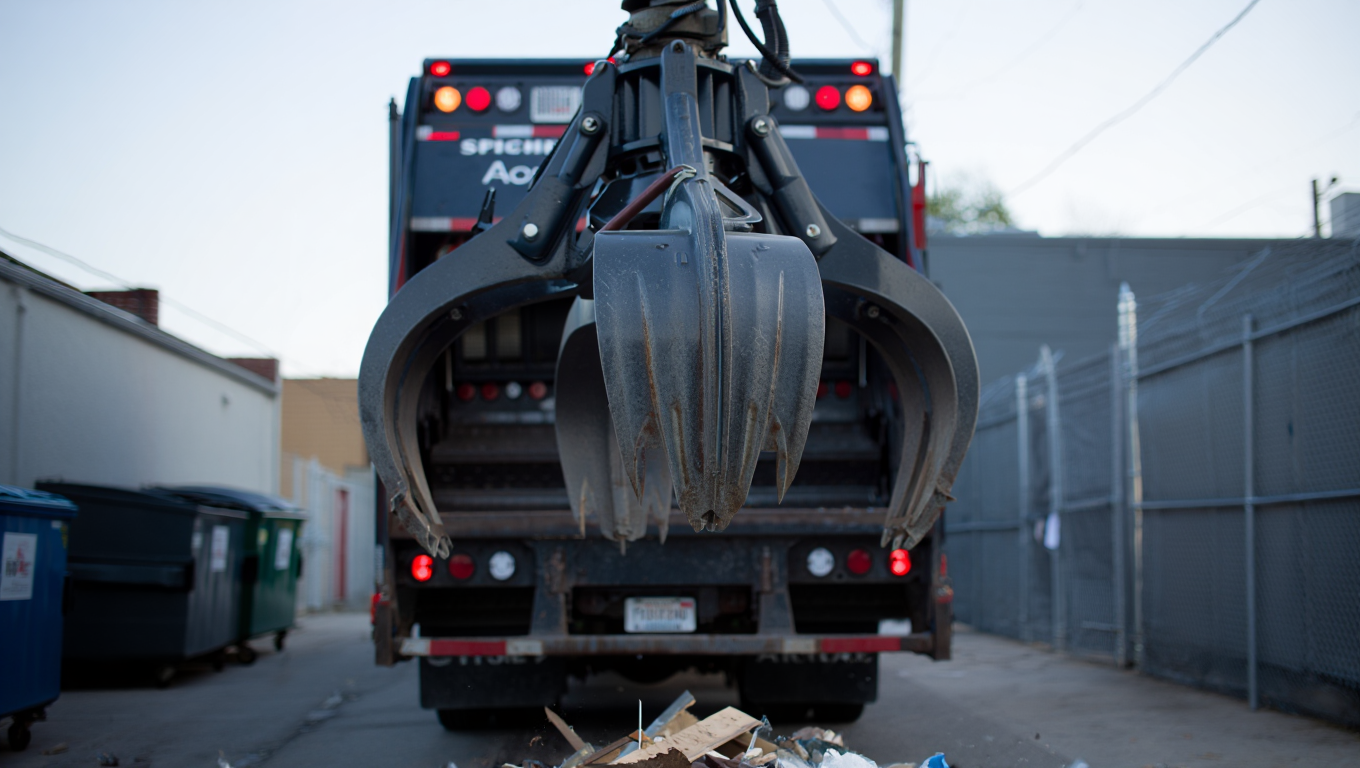
A Louisville garbage truck operator allegedly saw a woman in a debris pile but drove away without helping, leading to her death from crushing injuries that her family says were completely preventable.
Fatal Incident Raises Serious Questions
Tyrah Adams, 35, died February 12 after a garbage truck’s hydraulic claw picked her up while clearing debris in a Louisville alley. The truck operator set the pile down, exited the vehicle to inspect it, then returned to the driver’s seat and drove forward without rendering aid, according to a police report obtained by Wave3. Adams, who was experiencing homelessness, walked to a nearby convenience store after being released from the claw, where witnesses called 911 as she collapsed in the doorway.
The county coroner confirmed Adams died from blunt force and compressional trauma at the hospital. Her sister, Sandra Akers, expressed anger that the operator did not assist in witnessing the situation. Family attorney Rivas stated that proper inspection procedures would have prevented the tragedy entirely, noting that operators must inspect areas before using hydraulic equipment.
Family Demands Accountability and Transparency
Adams’ family plans legal action against the city, claiming Louisville authorities have withheld critical information about the incident. Rivas told Louisville Public Media that investigators discovered one internal camera on the truck had been covered up. The family has not received footage from the truck’s outward-facing camera or nearby surveillance systems, despite repeated requests. Louisville police initially described the death only as Adams having come into contact with a garbage truck during routine cleanup operations.
Safety Protocols Under Scrutiny
The case highlights concerns about safety protocols for sanitation workers operating heavy equipment in areas where homeless individuals may seek shelter. Rivas emphasized that truck operators have mandatory inspection requirements before deploying hydraulic claws and other machinery. The family’s pursuit of legal action suggests potential negligence in following established safety procedures. This incident raises broader questions about municipal responsibility when providing services in areas where vulnerable populations may be present, particularly regarding equipment operation standards and emergency response protocols when accidents occur.
Pro-Death in a Pro-Death Country!
He should be arrested and charge with manslauger
Also D.M. Stewart comment doesn’t make any sense .
who is DM?
Where was the family to begin with? Your upset after the fact.