
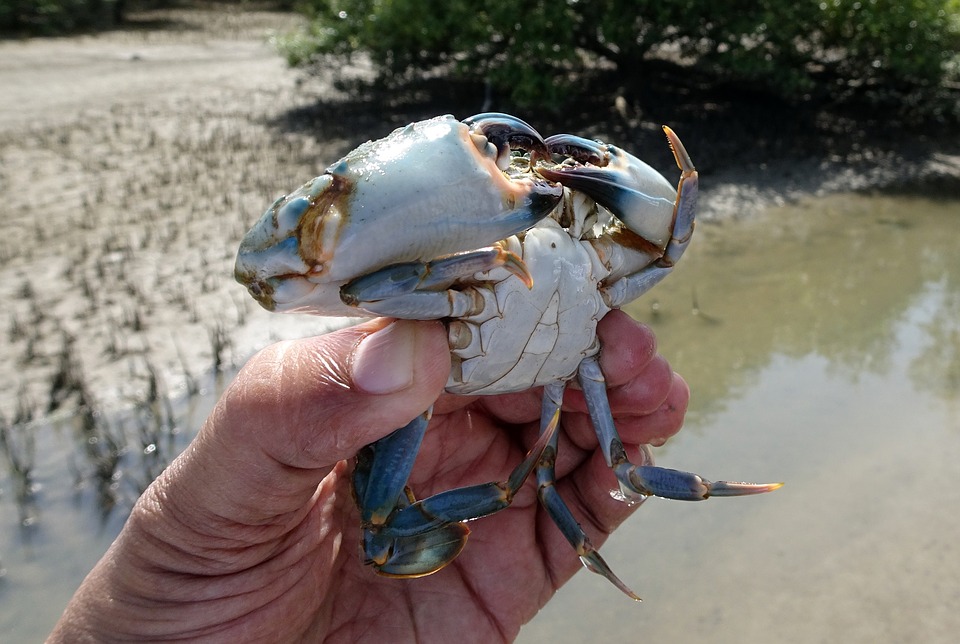
A retired engineer lost his life to a flesh-eating bacterial infection just 48 hours after spending a peaceful day crabbing from his newly constructed private wharf at his bayfront property. The rapid progression of the deadly infection shocked family members and highlights the hidden dangers lurking in coastal waters.
Sudden Deadly Infection From Waterfront Activity
The engineer had been enjoying recreational crabbing from his personal dock when he contracted the aggressive bacterial infection. Within two days of his waterfront outing, his condition deteriorated to a life-threatening level. Flesh-eating bacteria, medically known as necrotizing fasciitis, destroys tissue at an alarming rate and requires immediate medical intervention. The bacteria typically enters the body through open wounds or cuts that come into contact with contaminated water.

Rising Threat In Coastal Communities
Health officials warn that flesh-eating bacterial infections from waterborne sources pose an increasing risk to Americans enjoying coastal recreational activities. The bacteria thrives in warm saltwater and brackish environments, particularly during summer months. Even minor scratches or abrasions can provide entry points for the deadly pathogen. Medical experts recommend avoiding water activities if you have open wounds and seeking immediate treatment if skin infections develop after water exposure. The infection progresses rapidly, often requiring aggressive surgical intervention and strong antibiotics.
What Americans Need To Know
This tragedy serves as a critical warning for the millions of Americans who live along coastlines or enjoy waterfront recreation. The Centers for Disease Control reports that while flesh-eating bacterial infections remain relatively rare, cases have increased in recent years. Individuals with compromised immune systems, liver disease, or diabetes face elevated risks. Simple precautions like covering cuts with waterproof bandages, avoiding warm coastal waters with open wounds, and washing thoroughly after water activities can significantly reduce infection risks. Early symptoms include severe pain disproportionate to visible injury, fever, and rapidly spreading redness or swelling that demands immediate emergency care.