
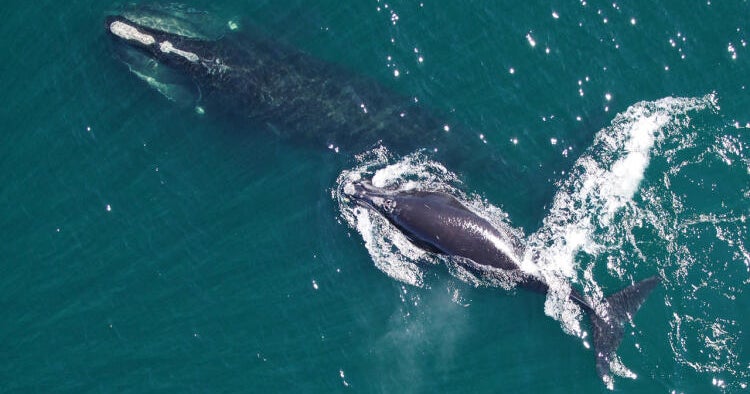
The North Atlantic right whale population has declined once more, reversing modest recovery gains and raising urgent questions about whether current conservation measures can save this critically endangered species from extinction.
Population Crisis Deepens
The latest count reveals a troubling setback for North Atlantic right whales, whose numbers dropped last year after showing slight improvement in recent seasons. The marine mammals, which can weigh up to 150,000 pounds, now face an increasingly uncertain future with only 73 reproductive females remaining. This small breeding population makes recovery exceptionally difficult, even during successful calving seasons. Scientists warn that without significant changes to current protection strategies, the species may not survive the next several decades.
The population experienced a devastating 25 percent decline between 2010 and 2020, driven by poor reproduction rates and high mortality. While recent years brought cautious optimism with more than 20 calves born last year in one of the most successful breeding seasons on record, the overall trajectory remains concerning. Marine scientist Heather Pettis emphasizes that protecting whales throughout their entire range is essential to prevent another catastrophic decline.


Human Activities Threaten Recovery
Two primary threats continue to kill right whales: entanglement in commercial fishing gear and collisions with ships. These human-caused deaths have plagued the species for years, preventing population growth despite conservation investments. The National Oceanic and Atmospheric Administration reports that the past nine years have seen unusually high numbers of whale injuries and deaths, compounding the challenge of rebuilding a sustainable population.
Environmental organizations, including Oceana, opposed recent congressional proposals to delay new whale protections until 2035. The House of Representatives passed this measure, which supporters say would protect commercial fishing interests from regulations they consider burdensome. Nora Ives, a marine scientist with Oceana, stated that the latest population numbers make the recovery road longer and warned that the iconic species will not escape extinction if growth cannot resume.
Historical Context and Future Outlook
Right whales earned their name from whalers who considered them the correct choice to hunt because they lived close to shore, floated when killed, and produced abundant oil. Commercial whaling, which largely ended in the 1930s, decimated the population. Centuries later, the species struggles to recover. The whales migrate between winter calving grounds off the Carolinas, Florida, and Georgia to feeding areas near New England and Canada. Large concentrations, sometimes representing one-fifth of the entire population, gather off Massachusetts each spring, making protection of these critical habitats vital for species survival.