
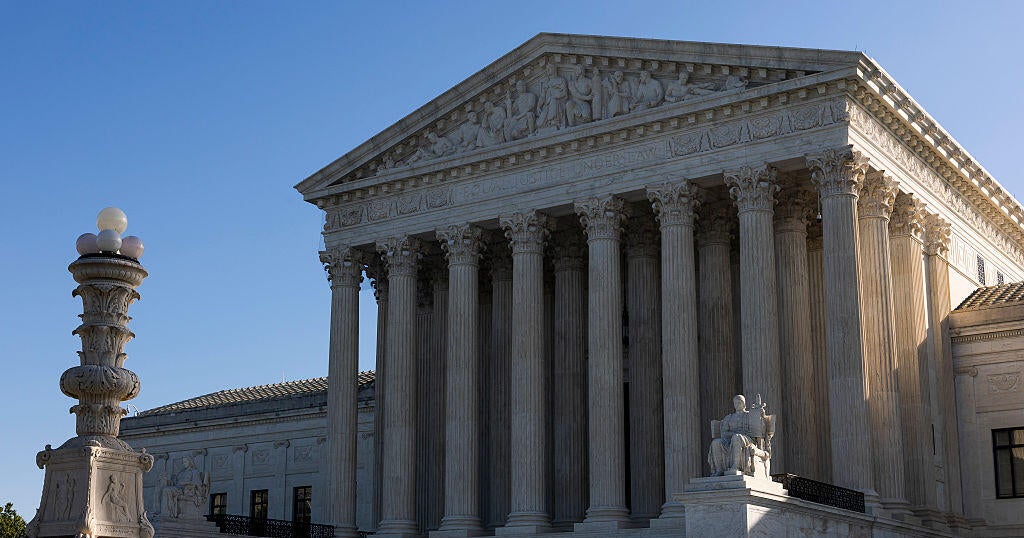
The Supreme Court refused to hear a challenge against Maryland’s extensive gun-free zone laws, allowing restrictions on firearms in parks, museums, public transit, and other locations to remain in force. This decision leaves Second Amendment advocates without clear guidance as states increasingly designate public spaces off-limits to lawful gun carriers.
What Maryland’s Law Restricts
Maryland prohibits firearms in a sweeping list of locations including school property, public demonstrations, public transit systems, state parks, museums, casinos, healthcare facilities, entertainment venues, and government buildings. Gun rights groups and Maryland residents challenged ten categories of these sensitive-place restrictions, arguing the state had effectively eliminated meaningful public carry rights guaranteed by the Constitution. The plaintiffs filed their lawsuits immediately after the governor signed the restrictions into law.
A federal district court initially sided with gun owners on two categories, blocking restrictions at public demonstrations and establishments serving alcohol. However, the Fourth Circuit Court of Appeals reversed that decision, ruling all challenged restrictions align with the Second Amendment. The appeals court applied the Supreme Court’s 2022 framework requiring gun regulations to match historical tradition.

The Constitutional Question
Gun rights advocates argued the case raises critical questions about what public carry rights actually mean. Their petition to the Supreme Court emphasized that if government-owned locations, First Amendment activity zones, and common gathering places can ban firearms, the right to carry in public becomes hollow. They contended lower courts need clearer guidance defining historical limits on public gun rights as more states adopt location-specific bans.
Maryland Attorney General Anthony Brown defended the restrictions, pointing to what he called a rich American tradition of barring guns in confined and crowded locations. Brown cited the Supreme Court’s previous endorsement of longstanding bans in schools, legislative assemblies, polling places, and courthouses. The Fourth Circuit referenced Supreme Court decisions from 2008 and 2010 affirming that laws prohibiting firearms in government buildings and on school grounds are constitutionally permissible.
What Comes Next
The Supreme Court’s refusal to take the case leaves the Fourth Circuit’s ruling intact without establishing nationwide precedent. Chief Justice John Roberts previously authored guidance stating courts should consider whether challenged regulations align with principles underlying regulatory tradition. Second Amendment supporters now face a patchwork of state laws with limited Supreme Court direction on where constitutional carry rights end and sensitive-place restrictions begin. This creates uncertainty for lawful gun owners navigating an expanding list of prohibited locations across different states.
Sources
Cbsnews: Supreme Court turns away challenge to Maryland restrictions on guns in sensitive places