
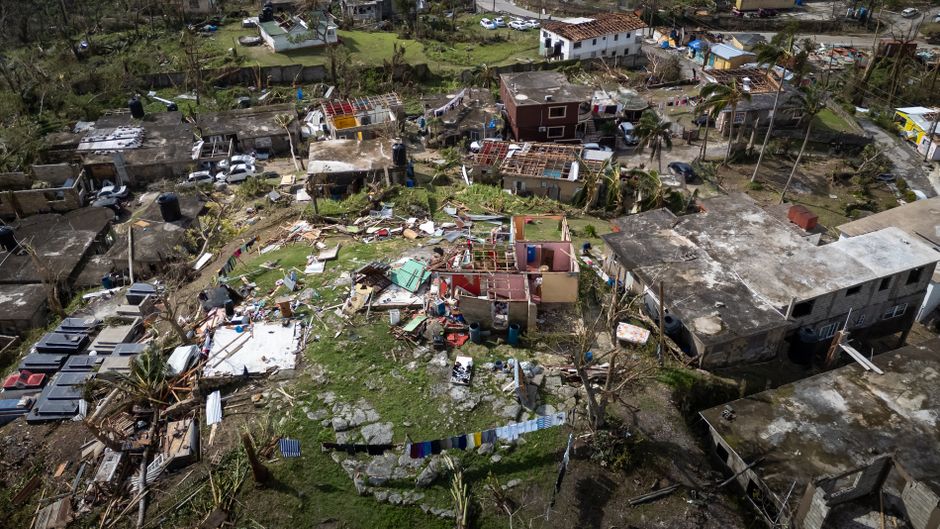
Tropical Storm Isaias formed Wednesday off eastern Mexico and forecasters warn it could become a hurricane before striking the Gulf Coast within days, threatening oil refineries that supply fuel to millions of Americans already struggling with elevated gas prices.
Storm Path Uncertain, Impact Guaranteed
The National Hurricane Center confirmed Isaias developed early Wednesday, October 7, 2026, in waters off eastern Mexico’s coast. Meteorologists cannot yet pinpoint where the storm will make landfall along the Gulf Coast or predict its final strength, but energy analysts warn even minor disruptions to refinery operations could trigger nationwide fuel price spikes. The Gulf Coast processes nearly half of America’s crude oil and produces vital gasoline, diesel, and jet fuel supplies.


Oil companies began implementing emergency protocols Wednesday afternoon. Several major refineries activated storm preparation teams to secure facilities and prepare for potential shutdowns. Previous Gulf Coast hurricanes forced refinery closures lasting weeks, creating fuel shortages across the country and driving pump prices to record levels. Isaias arrives as Americans face gas prices already elevated due to global supply constraints and domestic energy policy decisions.
Economic Impact Beyond the Pump
Refinery disruptions extend far beyond gas station price boards. Transportation costs affect everything from groceries to construction materials. Trucking companies operate on thin margins, and fuel price increases force them to raise shipping rates or absorb losses. Those costs ultimately reach consumers through higher prices on everyday goods. Farmers rely on diesel for tractors and equipment during harvest season, making timing particularly problematic.
Energy sector experts note the Gulf Coast’s concentration of refining capacity creates vulnerability. Texas and Louisiana host refineries producing 8.9 million barrels daily, representing 49 percent of total U.S. refining capacity. When storms threaten this region, the entire nation feels consequences. Past hurricanes demonstrated how quickly fuel shortages develop when Gulf refineries go offline, with some areas experiencing panic buying and station closures.
What This Means
Americans should prepare for potential gas price increases regardless of where Isaias makes landfall. Families may want to fill vehicles and gas cans before the storm arrives. The situation highlights ongoing concerns about energy independence and the risks of concentrated refining infrastructure. Isaias serves as another reminder that American energy security remains vulnerable to natural disasters, emphasizing the importance of domestic energy production and strategic petroleum reserves. Residents along the Gulf Coast should monitor local emergency management announcements and prepare for possible evacuations.