
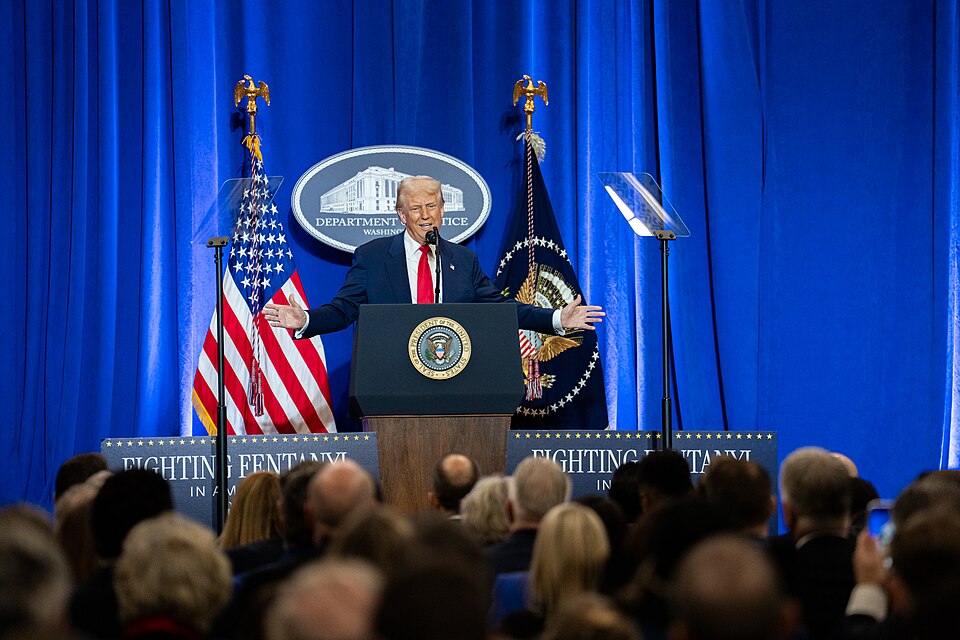
The Justice Department issued a formal legal opinion asserting that executive privilege protects President Donald Trump’s communications with advisers outside the executive branch, a stance that could severely limit congressional oversight if Democrats regain investigative power.
Unprecedented Legal Position Goes Public
The Office of Legal Counsel released a memo Monday evening declaring that restricting executive privilege solely to government employees would prevent the President from accessing essential sources of counsel. The opinion states that such limitations would impair Article II constitutional functions and ultimately harm the public interest. While previous administrations privately held similar views, no prior Justice Department had publicly formalized this expansive interpretation of presidential communications protections.
Jonathan Shaub, a University of Kentucky law professor who served in the Obama administration’s Office of Legal Counsel, confirmed the position aligns with past internal views but noted the office previously understood how extreme this stance appears publicly. The memo carries significant weight because it controls how the executive branch interprets legal boundaries, even without court approval.
Immediate Legal Implications
The timing proves critical for ongoing litigation involving Boris Epshteyn, who played a central role negotiating deals between the White House and law firms targeted by executive orders. The American Bar Association filed suit challenging the president’s actions against firms opposing his agenda. Epshteyn works outside the administration, yet the Justice Department claims his conversations with Trump or close advisers merit privilege protection.
Government lawyers argue that even revealing who the President consulted could discourage future participation in deliberations, thereby undermining presidential decision-making quality. This reasoning extends protections far beyond traditional government communications to include business associates, congressional allies, and personal friends who regularly advise Trump on policy matters.
Congressional Oversight at Stake
If Democrats win the House in November elections, they would gain subpoena authority to investigate administration conduct. The new legal framework creates formidable barriers to obtaining testimony and documents about presidential communications. Democrats who controlled the House starting in 2018 already encountered significant resistance during Trump’s first term, producing novel legal disputes over information access.
The current situation differs substantially because a 6-3 conservative Supreme Court majority has demonstrated broad support for presidential powers and immunity. This judicial landscape strengthens the executive branch position considerably compared to previous oversight battles. The Justice Department maintains its opinion reaffirms longstanding positions dating to 2007 or potentially 1972, though the question has rarely faced direct court testing.
Sources
CNN: Trump executive privilege memo could hamper Democrats if they win Congress | CNN Politics