

A tragic midair collision between two helicopters near McMinnville, Oregon claimed three lives Thursday afternoon, raising renewed questions about aviation safety protocols and airspace management around regional airports serving multiple aircraft operations simultaneously.
Fatal Collision Details
The crash occurred at approximately 2:10 p.m. local time near the intersection of Highway 33 and Cruickshank Road, roughly 40 miles southwest of Portland. A 1995 Robinson R22 helicopter carrying a flight instructor and student pilot collided with a 2018 Airbus AS350B3 helicopter operated by a single pilot. Witnesses reported seeing the collision before both aircraft plummeted into a nearby field, where first responders discovered the wreckage shortly after arrival.
The Yamhill County Sheriff’s Office identified the victims as Maddie Aasbo, 22, a flight instructor from Texas, an unnamed student pilot from the United Kingdom, and Tyler Delane Sturdevant, 38, of Newberg, Oregon, who piloted the Airbus helicopter alone. Authorities delayed releasing the student pilot’s identity while coordinating with consular officials and the FBI to properly notify family members overseas.

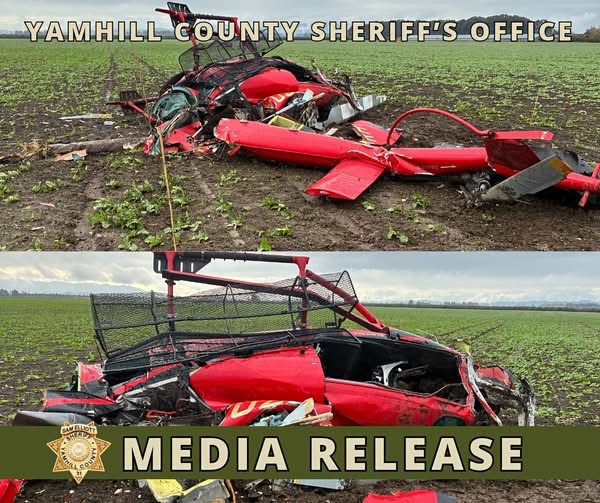
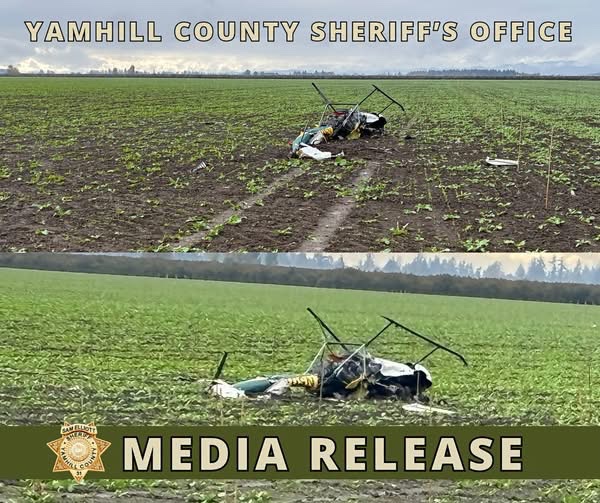
Investigation Underway
The Federal Aviation Administration and National Transportation Safety Board immediately dispatched investigators to the crash scene, with the NTSB assuming lead responsibility for determining the cause of this deadly collision. These federal agencies will examine flight records, weather conditions, communication logs, and potential mechanical failures. The investigation will also scrutinize whether proper separation protocols were followed and if air traffic control procedures require revision to prevent similar tragedies at smaller regional airports where training flights frequently operate.
Safety Implications for Flight Training
This incident highlights ongoing concerns about congested airspace around airports that accommodate both commercial operations and flight training activities. The Robinson R22, a popular two-seat helicopter frequently used for training purposes, was engaged in an instructional flight when disaster struck. Aviation safety experts will likely examine whether enhanced communication requirements or designated training corridors could reduce collision risks. The loss of a young flight instructor and student underscores the inherent dangers faced by those pursuing aviation careers, even during routine training exercises in seemingly controlled environments near established airports.
The broader aviation community awaits the NTSB’s findings, which typically take months to complete but provide crucial insights for preventing future accidents and refining safety standards across the industry.