
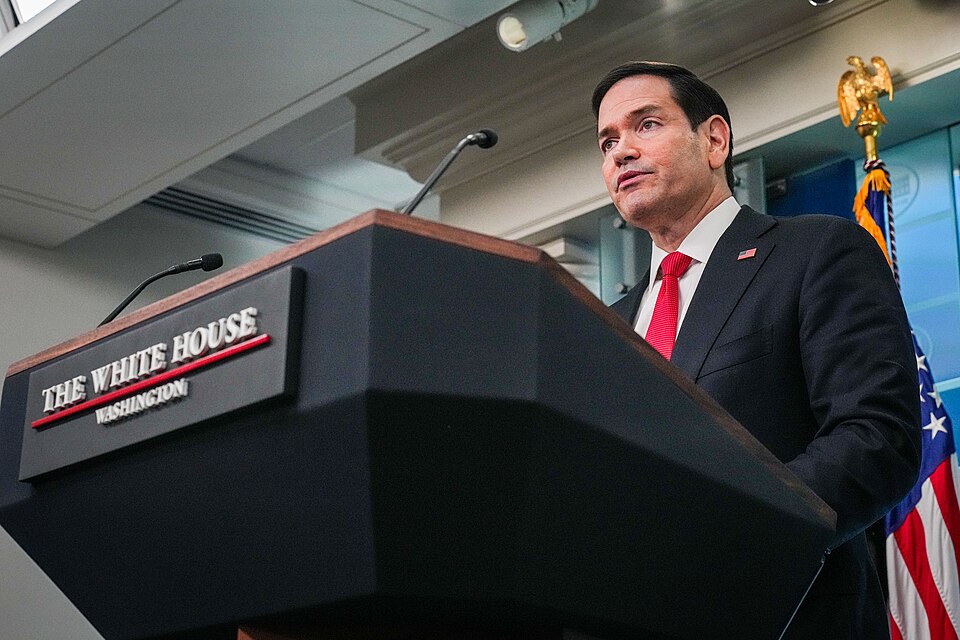
Secretary of State Marco Rubio terminated the legal status of a convicted child rapist who received a pardon from Minnesota Governor Tim Walz just days before his scheduled deportation, ensuring the criminal’s removal from the United States.
Criminal Background and Pardon Decision
Tou Lue Vang was convicted in 2006 of first-degree criminal sexual conduct for repeatedly raping a 10-year-old girl between 2002 and 2004. Following his arrest, Vang told authorities the abuse was a cultural practice, claiming it was acceptable to marry and have relations with girls as young as 12. Despite this conviction, Minnesota’s Board of Pardons granted him clemency on June 10, effectively wiping his criminal record clean.
The three-member Board of Pardons consists of Governor Walz, state Attorney General Keith Ellison, and state Chief Justice Natalie Hudson. They acted on a recommendation from the nine-member Minnesota Clemency Review Commission, which congratulated Vang on his achievement in receiving the pardon. Walz defended the decision by calling Vang a critical community member and falsely referring to him as a citizen of the United States.
Federal Response and Removal
Rubio intervened after the Department of Homeland Security raised concerns that the pardon would shield Vang from deportation. The Secretary of State revoked Vang’s legal status, ensuring federal immigration authorities could proceed with removal despite the state-level pardon. Rubio stated that Americans should never fear foreign predators shielded from deportation by their own elected officials. Vang has now been removed from the country permanently.
DHS Acting Assistant Secretary Lauren Bis condemned the pardon as disgusting, noting it represented the type of criminal protection Minnesota sanctuary politicians provide. The pardon came just weeks after Walz and his board pardoned another criminal from Laos facing deportation for armed robbery. Vang had attempted to pay his victim for her silence and dismissed his crimes as a minor thing when confronted by authorities.
Constitutional Questions and State Authority
The case raises significant questions about the extent of state pardon powers and their interaction with federal immigration enforcement. While governors possess broad clemency authority within their states, immigration and deportation remain exclusively federal matters under the Constitution. Rubio’s action demonstrates that state pardons cannot override federal immigration decisions or prevent the removal of non-citizens convicted of serious crimes. The clash between state and federal authority highlights ongoing tensions over immigration enforcement and sanctuary policies in various jurisdictions across America.
Sources
Fox News: Marco Rubio steps in after Tim Walz pardoned illegal alien child rapist before deportation