
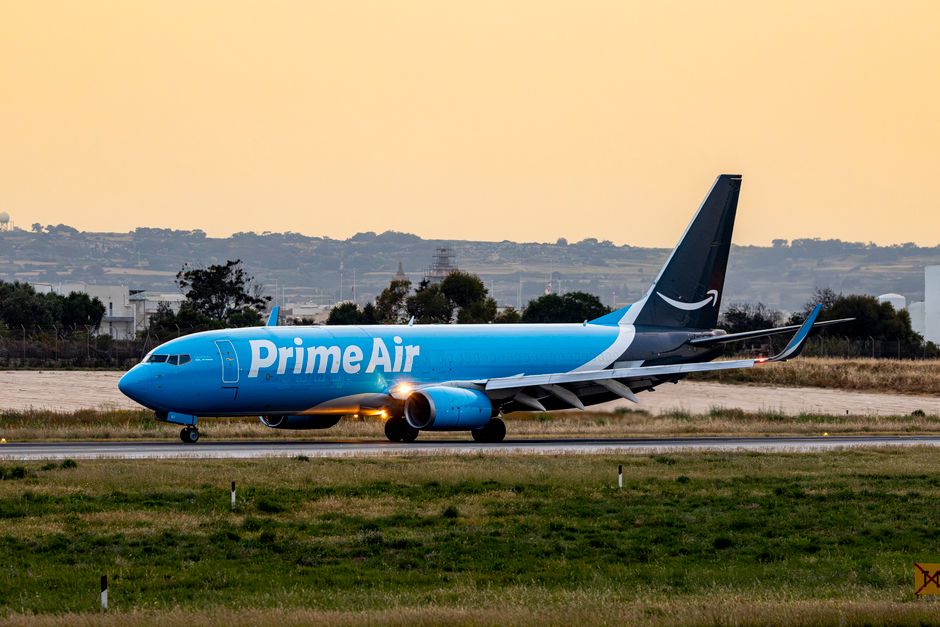
An air traffic controller failed to warn pilots about dangerous tail winds before an Amazon cargo plane crashed at Miami International Airport last month, killing five people, according to a federal investigation released Thursday. The National Transportation Safety Board confirmed the controller violated mandatory safety regulations by withholding critical weather information moments before the deadly crash.
Fatal Protocol Failure at Miami Airport
The Amazon cargo flight was approaching Miami International Airport on September 6, 2026, after departing from Puerto Rico with a shipment of contact lenses. Just four minutes before clearing the aircraft for landing, the same air traffic controller had warned another flight about dangerous wind conditions, specifically noting gusts reaching 25 miles per hour from the south. That advisory was never provided to the Amazon pilots.
Federal aviation regulations explicitly require controllers to communicate both wind direction and velocity when authorizing runway use during tail wind conditions. The NTSB preliminary report confirmed this communication never occurred. The cargo plane came in at excessive speed and careened approximately 1,200 feet beyond the runway, resulting in five fatalities.
Investigation Timeline and Findings
The National Transportation Safety Board released its preliminary findings on October 1, 2026, nearly four weeks after the crash. Investigators documented that tail wind conditions existed at the time of landing, creating hazardous circumstances that pilots should have been informed about before their final approach. The report stopped short of declaring an official cause, noting the complete investigation could require more than a year to finish.
Photographs from the crash site showed the damaged cargo plane near a parking area, with destroyed engine components scattered across the airport grounds. Emergency response teams worked for days to secure the wreckage and clear the runway for normal operations. The aircraft was finally moved from the crash location on September 15, 2026.
Questions About Air Traffic Control Standards
The preliminary findings raise serious concerns about compliance with mandatory safety protocols at one of America’s busiest airports. Miami International Airport handles thousands of flights weekly, including substantial cargo operations for major retailers like Amazon. The failure to communicate required weather information represents a breakdown in fundamental air traffic control procedures designed specifically to prevent runway accidents.
Federal investigators continue examining all aspects of the incident, including pilot training, aircraft maintenance records, and air traffic control communications. The final report will determine whether the withheld wind advisory directly contributed to the crash or if other factors played primary roles. Five families now await answers about why basic safety regulations were not followed during those critical final minutes before landing.
But the Fed gov’t wants to employ people, many of whom are not qualified. So, blame the accident on the Powers That Be.
Not now but the Biden regime wanted handicapped air traffic controllers.