
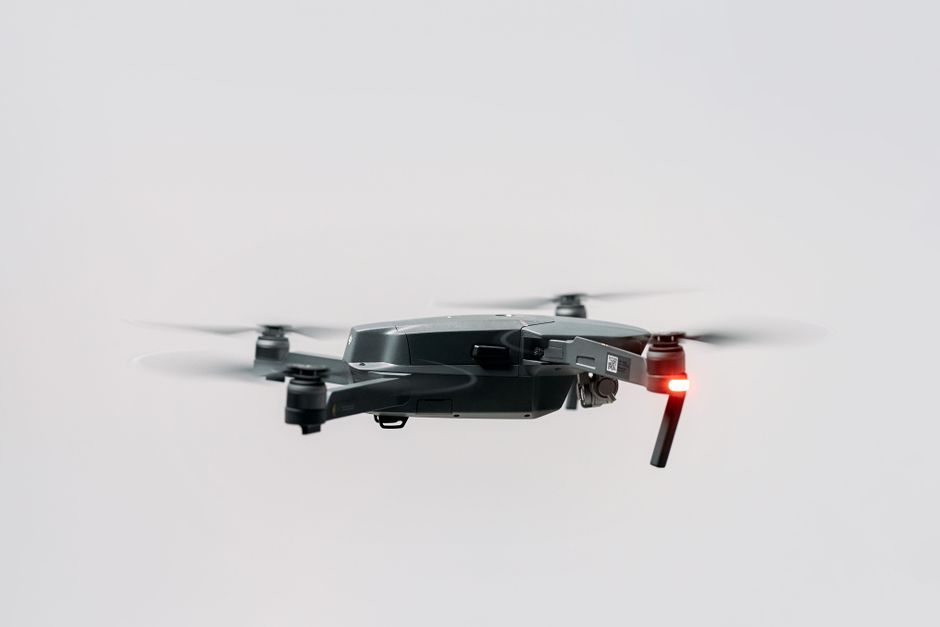
A Florida charter fishing captain hauled in more than fish during a routine September trip when he spotted a large gray U.S. military drone floating upside-down in Gulf waters and brought the crashed aircraft back to shore, authorities confirmed this week.
Unexpected Catch Off Florida Coast
Daniel Arsenault, a 36-year-old charter captain operating out of Florida’s Gulf coast, initially thought he had spotted an overturned boat while fishing on September 22. Upon closer inspection, Arsenault and his clients—active-duty military helicopter pilots—identified the object as a military target drone. The fishing crew secured the aircraft and towed it back to dock alongside their catch of mahi-mahi, snapper, and grouper. Local sheriff’s deputies took possession of the drone before transferring it to federal authorities.
Arsenault posted photographs on his Hot Spots Charters Facebook page showing the large gray drone displayed next to tables of fresh fish, joking in the caption that anyone looking for their drone should contact his charter service. The military pilots aboard his vessel gave him confidence to recover the aircraft, which they recognized from their own service experience.
Air Force Confirms Combat Drone Failure
Eglin Air Force Base acknowledged the drone was a LUCAS aircraft, which stands for Low-cost Uncrewed Combat Attack System. A base spokesperson confirmed the drone impacted the water on September 17 during routine scheduled testing, five days before Arsenault recovered it. The aircraft has been returned to Department of Defense possession. Eglin routinely conducts military exercises in Gulf waters and was conducting munitions testing during the timeframe of the crash.
The LUCAS system represents a significant shift in American military drone strategy. These low-cost, one-way attack drones were designed after Iranian Shahed drones, which Iranian forces have used against American troops in the Middle East and Russian forces have deployed extensively in Ukraine. The design allows for mass production at reduced costs compared to traditional reusable military aircraft.
Combat Deployment Already Underway
U.S. Central Command announced in late 2025 that LUCAS drones were already being used in active combat operations in the Middle East. The military created Task Force Scorpion Strike specifically to deploy these aircraft during Operation Epic Fury, marking the first time American forces used one-way attack drones in combat situations. Central Command described the weapons as delivering American-made responses to enemy threats, specifically referencing Iranian drone attacks on U.S. personnel.
The Gulf of Mexico incident raises questions about testing protocols for combat systems before full deployment. The drone’s failure occurred during what the Air Force described as routine testing, though the specific cause of the crash has not been disclosed. No injuries or property damage beyond the lost aircraft were reported in connection with the incident.
Interesting