
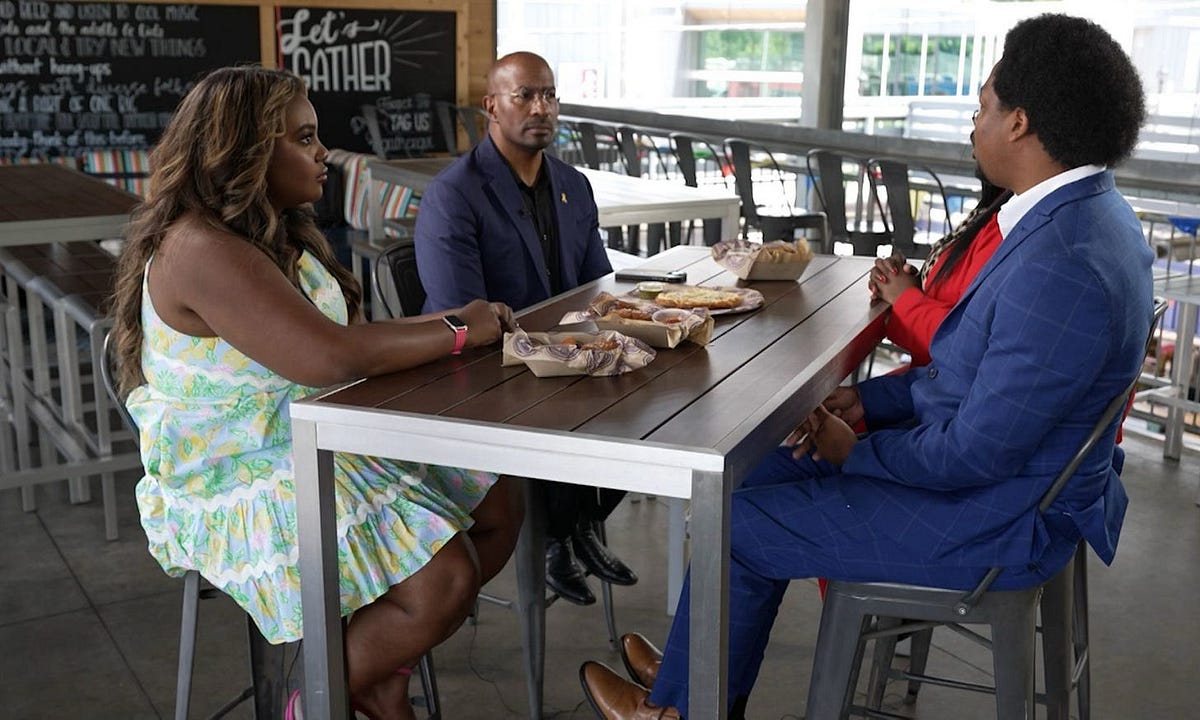
While media reports highlight Trump voter regret, a dedicated group of Black Southern voters remains unwavering in their support for the president, saying they would vote for him again without hesitation.
Loyal Supporters Speak Out
According to a recent analysis by journalist Quintessa L. Williams, a small but consistent number of Black voters supported Trump in both the 2016 and 2020 elections. These voters maintain their allegiance despite widespread criticism from within their communities and ongoing media coverage suggesting buyer’s remorse among Trump supporters nationwide. The voters interviewed expressed satisfaction with their choices and indicated they would make the same decision again.
Williams’ reporting reveals that these supporters view current policy discussions differently than critics suggest. They argue their voting decisions were based on specific priorities that align with their values and economic interests. The voters emphasized their independent thinking and rejected suggestions that their choices were misguided or uninformed about potential policy outcomes.
Community Dynamics and Political Independence
The article highlights the complex political landscape within Black communities, where voting patterns traditionally favor Democratic candidates. These Trump supporters represent a minority voice that challenges conventional political assumptions. They describe facing social pressure and criticism from family members and community leaders who opposed their voting choices. Despite this opposition, they maintain confidence in their political judgment and decision-making process.
What This Means
This story illustrates the diversity of political thought within American communities, often viewed as monolithic voting blocks. The persistence of Trump support among these voters demonstrates how individual priorities and experiences shape political choices. Their willingness to maintain unpopular positions within their social circles reflects broader themes about political independence and the complexity of voter motivations across demographic lines in American politics.