
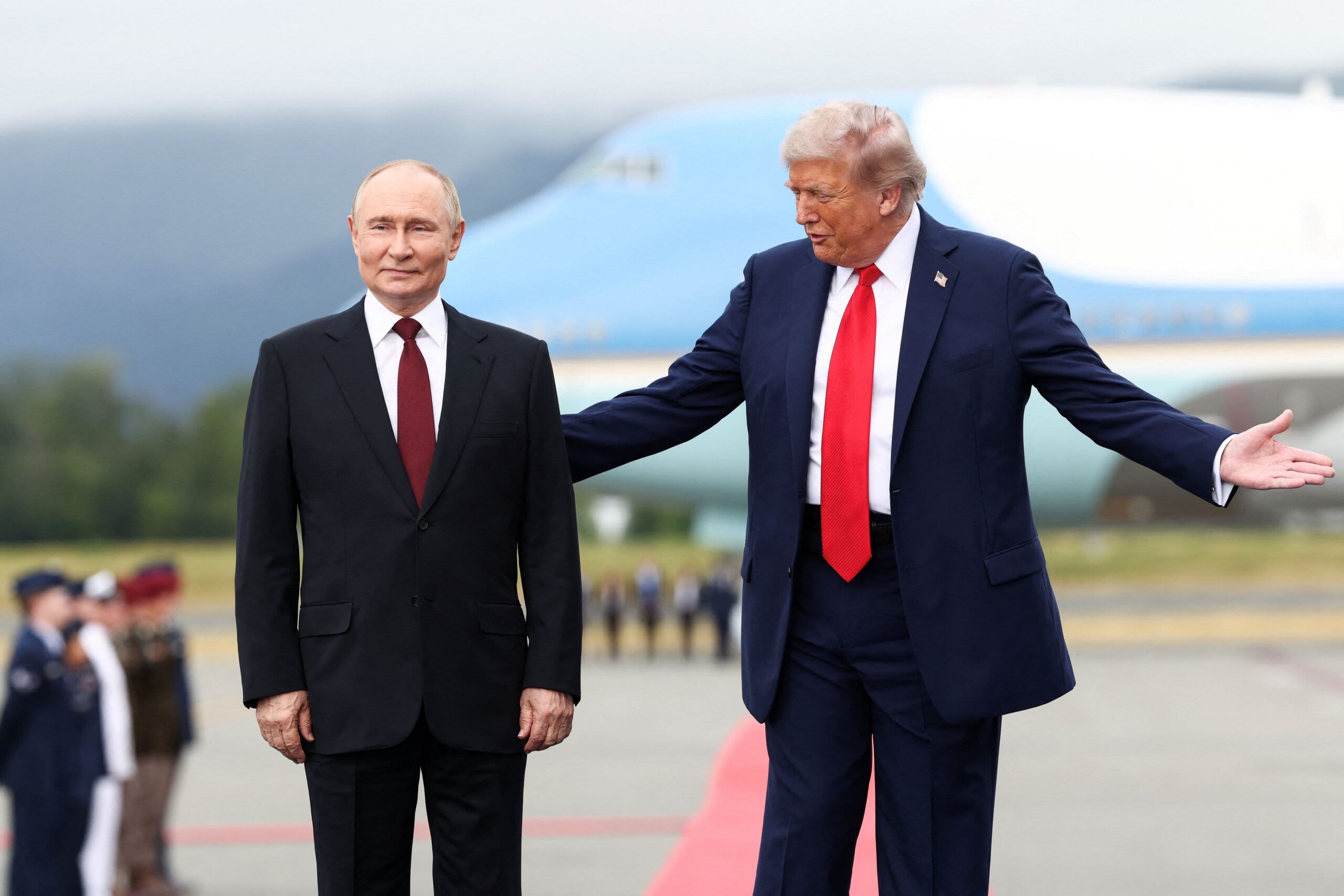
A bipartisan coalition of twelve senators is demanding President Trump cancel a deal allowing Russia to export 36 million barrels of diesel fuel to global markets, with six prominent Republicans joining Democrats in calling the arrangement a betrayal of American allies.
Republican Opposition Mounts
Senate GOP leaders including Mitch McConnell of Kentucky, Susan Collins of Maine, John Cornyn of Texas, Thom Tillis of North Carolina, Lisa Murkowski of Alaska, and Alan Armstrong of Oklahoma signed a letter Tuesday urging Trump to rescind the deal announced Friday. Armstrong brings particular credibility to the opposition, having served as CEO of Williams Companies, America’s largest natural gas-focused corporation, before entering the Senate.
The Republican senators joined Democratic colleagues Richard Blumenthal, Jeanne Shaheen, Richard Durbin, Chris Coons, Sheldon Whitehouse, and Jack Reed in declaring the arrangement would provide Russian President Vladimir Putin with a financial windfall. Their letter stated bluntly that the deal represents a gift to an adversary at the expense of allied nations.

Rep. Fitzpatrick announced legislation to block all Russian oil purchases.
The “Ronald Reagan Peace Through Strength Act” will be forced to the House floor via discharge petition, Fitzpatrick
Deal Details and Doubts
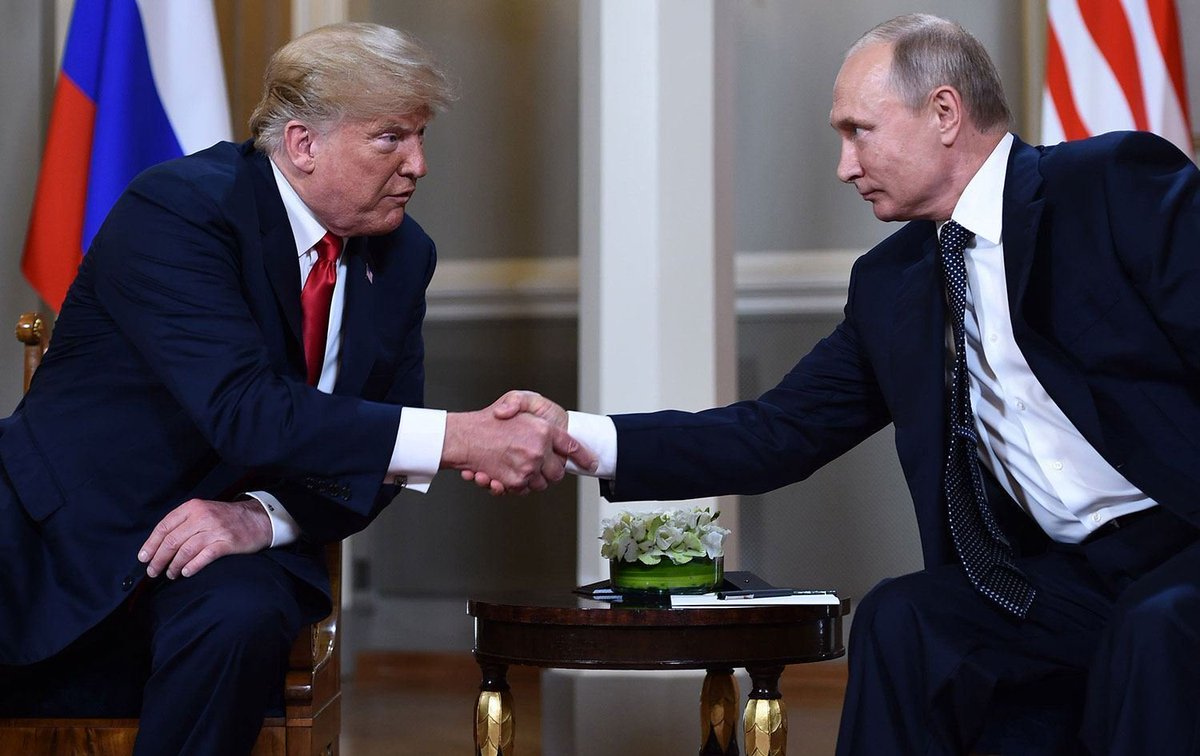
The agreement permits Russia to supply 4.8 million metric tons of diesel through mid-April 2027. Trump claims the temporary export allowance will reduce diesel prices for American consumers and businesses. However, energy analysts remain skeptical that the volume involved will create meaningful price relief at the pump or for commercial transportation operations.
The White House has not responded to requests for comment on the growing congressional opposition. Collins, Murkowski, and Tillis had previously issued a joint statement Sunday warning against providing Putin financial assistance while Russian forces continue military operations against Ukrainian civilians. Republican Senator John Curtis of Utah also signed that earlier declaration.
What This Means
The bipartisan pushback represents a significant political challenge for Trump, with opposition coming from senior Republicans including the longest-serving Senate GOP leader in American history. The revolt crosses typical partisan lines, uniting fiscal conservatives concerned about empowering adversaries with Democrats focused on supporting Ukraine. The dispute highlights tensions between economic relief promises and national security priorities, particularly regarding Russia’s role in global energy markets. Whether Trump will yield to pressure from his own party leadership or maintain the arrangement remains uncertain as the April deadline approaches.