
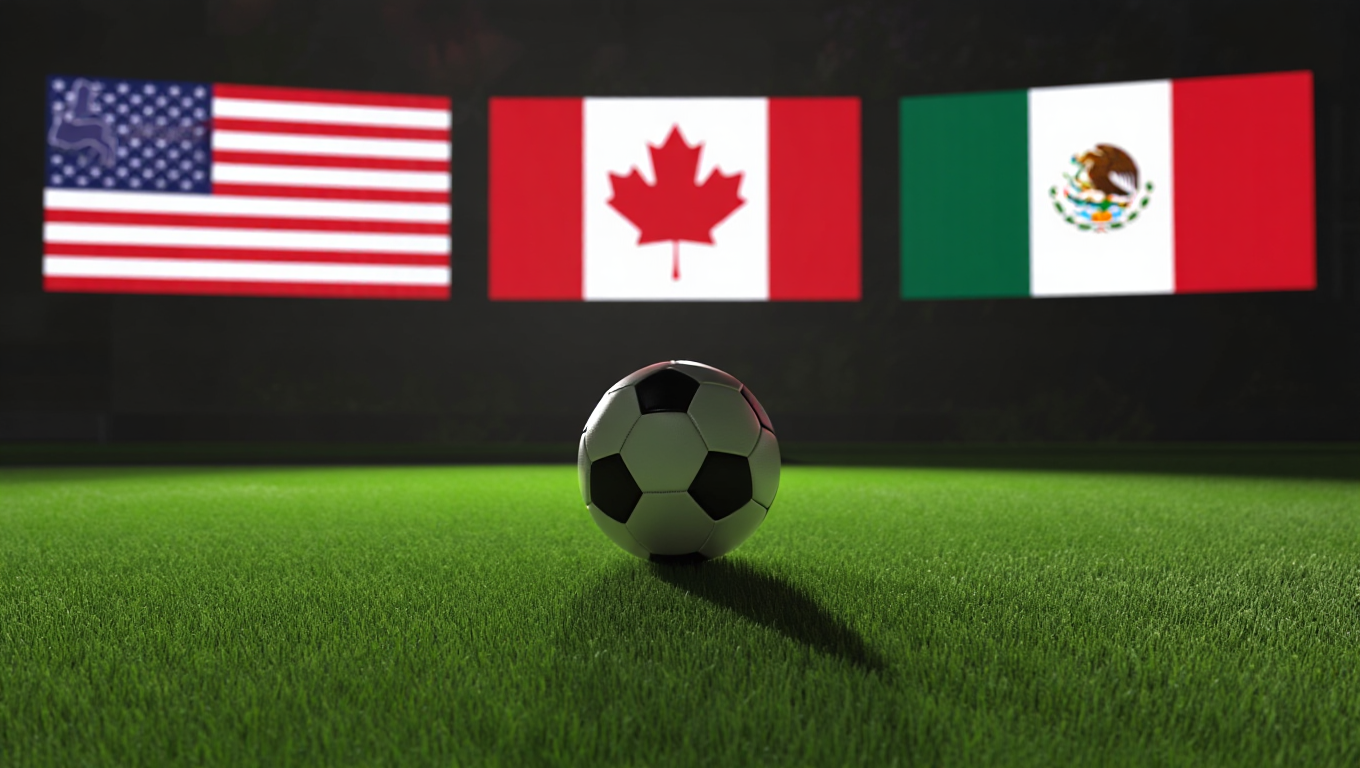
International lawmakers and soccer officials are calling for boycotts of the 2026 World Cup as the United States prepares to co-host the tournament with Canada and Mexico from June 11 to July 19.
European Leaders Demand Action
British Conservative MP Simon Hoare told the House of Commons that England, Scotland, and Wales should consider boycotting the tournament. The German government announced on January 20 that participation decisions would be left to the country’s soccer federation. French MP Eric Coquerel suggested moving the entire tournament out of the United States. Former FIFA President Sepp Blatter endorsed the boycott movement on social media, stating he agrees with critics questioning the World Cup’s location.
Critics cite concerns about immigration enforcement, foreign policy decisions regarding Greenland and Venezuela, and travel restrictions. Mark Pieth, a governance expert, warned that fans should expect strict treatment upon arrival and potential immediate deportation if they displease officials. The final match is scheduled for MetLife Stadium in New Jersey.
FIFA Leadership Under Scrutiny
FIFA President Gianni Infantino faces criticism for his relationship with President Trump. Infantino presented Trump with the FIFA Club World Cup trophy and created a special FIFA Peace Prize for the President in December. FIFA opened an office in Trump Tower in July, and a replica World Cup trophy has been displayed in the Oval Office since 2018. Former UEFA President Michel Platini described Infantino as becoming “more of an autocrat” who “likes the rich and powerful.”
What This Means
The boycott calls echo the Olympic boycotts of the 1980s, with critics arguing the current situation presents greater threats. Despite the Trump administration creating a federal task force and fast-tracked visa system for ticket holders, international concerns persist. England and Scotland have already qualified for the tournament, while Wales faces qualification playoffs in March. The controversy highlights growing tensions between sports diplomacy and political disagreements on the global stage.