
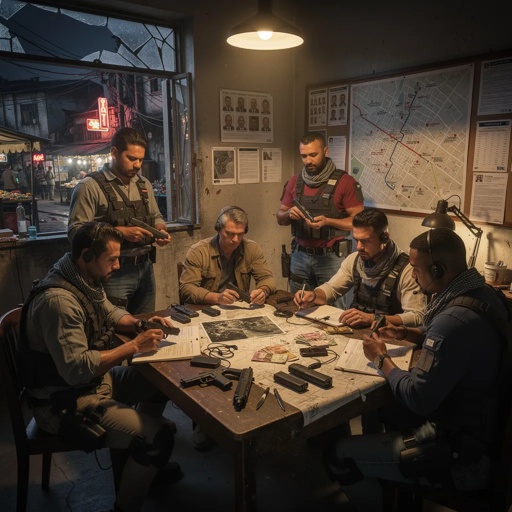
President Trump greenlit CIA assassins to hunt Venezuelan leaders inside their own borders, shattering decades of covert restraint in a move that could ignite Latin America’s next powder keg.
Timeline of Escalation from Sea to Secret Wars
Late August 2025 marks the launch of Operation Southern Spear. U.S. Navy positions warships in the southern Caribbean to interdict drug boats tied to Venezuelan cartels. Trump links these flows to illegal migration surges at the U.S. border. By October 2, Washington suspends all diplomatic ties with Caracas. Five boat strikes follow, the last on October 14 killing six suspects. Total deaths reach 27 as U.S. forces claim trafficking halts.
October 15 brings Trump’s bombshell. He confirms a new presidential finding empowering CIA lethal actions inside Venezuela. Director John Ratcliffe oversees paramilitary raids, assassinations, and propaganda. Secretary of State Marco Rubio pushes regime change. Venezuela’s Defense Minister Vladimir Padrino López rallies troops to borders and oil infrastructure.
November 11 sees Venezuela’s massive defense drills with volunteer militias. On November 24, the U.S. designates Cartel de los Soles a Foreign Terrorist Organization, greenlighting asset freezes on Maduro allies like Diosdado Cabello. Senate blocks strike limits. Late December delivers the first confirmed land hit—a drone strike on a Venezuelan dock loading drugs.
Stakeholders Drive High-Stakes Confrontation
Donald Trump spearheads the offensive, framing CIA ops as essential to stem drugs and migrants. He declares non-international armed conflict with cartels, bypassing traditional war declarations. Nicolás Maduro mobilizes national defenses, rejecting U.S. narco-terror labels as pretexts for overthrow. Facts support U.S. frustration: Venezuela’s economic collapse and disputed 2024 election fuel instability.
John Ratcliffe expands CIA’s kill authority beyond past drone rules. Marco Rubio, a longtime Maduro foe, shapes policy. On Venezuela’s side, Padrino López fortifies key sites. Power tilts U.S.-ward with military superiority, but Maduro’s militia numbers pose guerrilla threats. Common sense aligns with Trump’s pushback against socialist regimes exporting chaos—UNODC data disputes Venezuela’s top drug status, yet border realities demand action.
Impacts Ripple Across Region and Beyond
Short-term risks spike: coups, false flags, or embassy incidents loom. Long-term, U.S. interventionism revives, potentially unlocking Venezuelan oil while straining hemispheric ties. Civilians near strikes face dangers; Caribbean routes disrupt, though UNODC questions Venezuela’s centrality. Economically, FTO tags seize Maduro assets, hitting regime funding.
Socially, mobilization stirs Venezuelan patriotism but heightens refugee flows. Politically, successful ops erode Maduro’s grip, validating opposition claims. Critics decry extrajudicial risks, yet American conservative values prioritize security over foreign sovereignty when threats cross borders. Senate’s stance backs escalation, eyeing precedents like past CIA triumphs in Chile and Guatemala.
Expert views split. CFR ties ops to migration controls with mixed trafficking proof. Just Security predicts raids and post-coup planning. El País warns of intervention ghosts. Progressive sources cry regime change foul, but U.S. admin evidence on bounties—$50 million for Maduro—bolsters the case. Facts favor decisive action over endless sanctions.
Sources:
Intelligence Committees CIA Venezuela
A Timeline of the US Military’s Buildup Near Venezuela and Attacks on Alleged Drug Smuggling Boats