
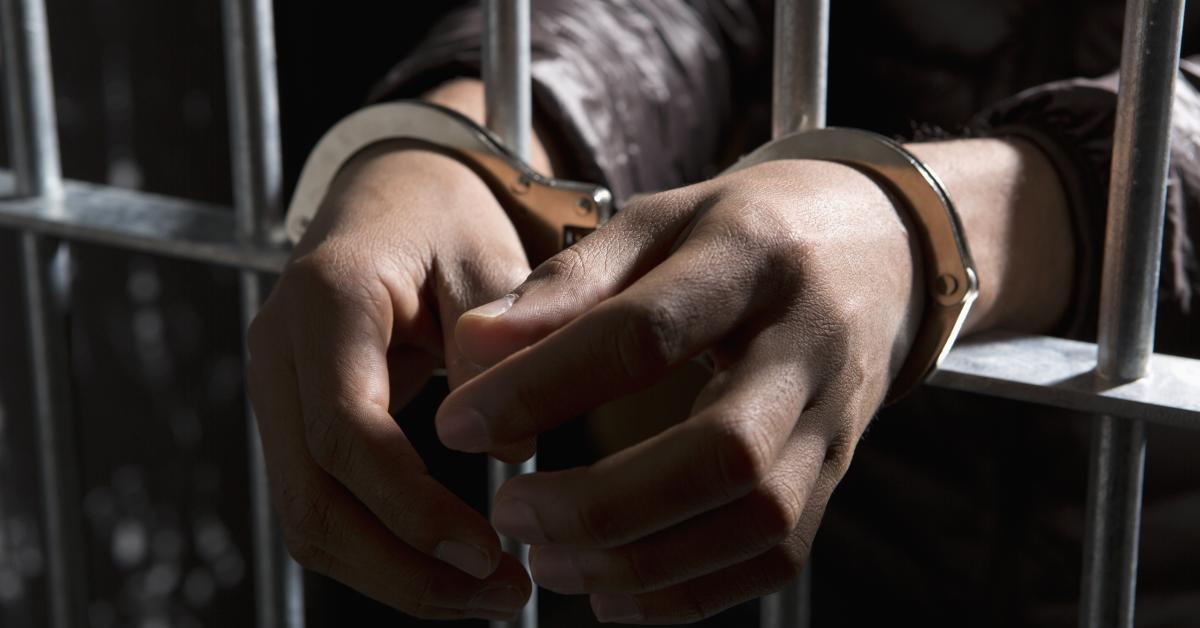
Lafayette police have arrested five suspects in connection with the shooting of Tippecanoe Superior Court Judge Steven Meyer and his wife Kimberly, following a multi-state investigation that spanned hundreds of hours.
The Attack and Arrests
Judge Meyer sustained a gunshot wound to his arm while his wife Kimberly was struck in the hip during Sunday’s attack. Both victims are recovering from their injuries with medical treatment. The Lafayette Police Department announced the arrests late Thursday, identifying the suspects as Thomas Moss, 43; Raylen Ferguson, 38; Blake Smith, 32; Amanda Milsap, 45; and Zenada Greer, 61. Three suspects are from Lafayette, while Ferguson and Greer hail from Kentucky.
The charges vary significantly among the defendants. Moss, Ferguson, and Smith face the most serious accusations, including attempted murder, conspiracy to commit murder, and gang and firearm enhancements. Milsap and Greer each face two counts, primarily related to obstruction of justice. Court records reveal that Moss was already facing felony charges in a separate case before Judge Meyer, with a trial scheduled for this week after multiple delays.
Judicial Response and Security Concerns
Judge Meyer demonstrated remarkable resilience in his public statement Wednesday, declaring that the violent attack would not undermine his faith in America’s judicial system. “This horrific violence will not shake my belief in the importance of peacefully resolving disputes,” Meyer stated. “I remain confident we have the best judicial system in the world, and I am proud to be a part of it.”
Broader Implications for Judicial Safety
Indiana Supreme Court Chief Justice Loretta Rush addressed the incident Sunday, expressing deep concerns about judicial safety statewide. Rush emphasized that violence against judges or their families remains “completely unacceptable” and urged all judges to prioritize their personal security. The case highlights growing concerns about threats against judicial officials and their families, particularly when defendants face serious criminal charges. The multi-state nature of this investigation demonstrates law enforcement’s commitment to protecting those who serve in America’s courts.