
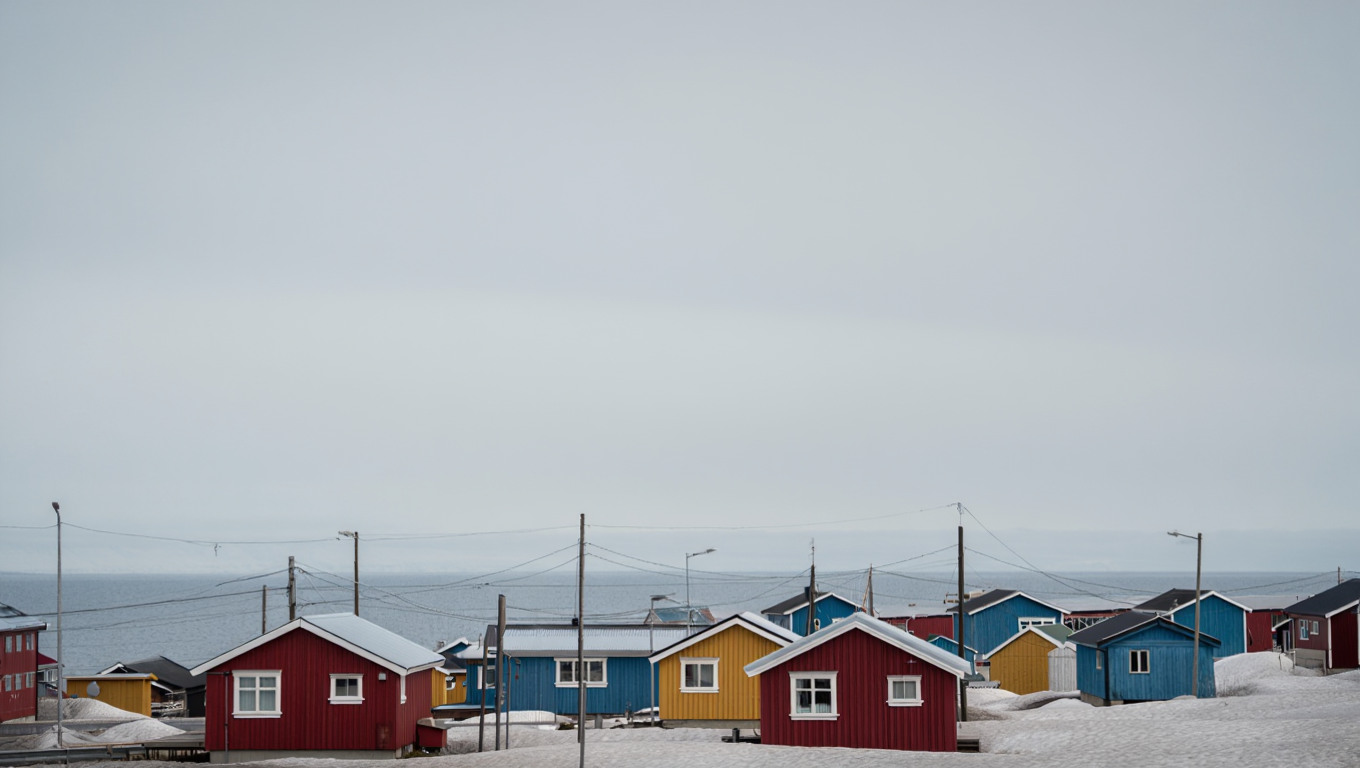
As international attention focuses on Greenland’s strategic importance, the island’s Indigenous population is confronting a painful history of systematic abuse under Danish colonial rule that continues to shape their fight for self-determination.
The Arctic territory has become a focal point of global interest, with Denmark conducting military exercises this week to demonstrate sovereignty while rejecting renewed American acquisition proposals. However, for many Inuit residents, the most pressing concern remains addressing decades of documented human rights violations perpetrated by the Danish government.
Medical Abuse and Population Control Programs
Recent testimonies from Greenlandic women reveal the extent of Denmark’s forced sterilization campaign targeting Indigenous populations from the 1960s through the 1970s. The program, which affected thousands of girls and women, involved coercive placement of intrauterine devices without informed consent or knowledge of the recipients.
Medical records indicate that Danish healthcare providers systematically targeted Indigenous women as young as 13 years old for these procedures. Many victims discovered the devices only years later when seeking treatment for related health complications. The practice was part of a broader population control strategy aimed at reducing Greenland’s Indigenous birth rate.
One documented case involves a woman who learned at age 27 that an IUD had been implanted during her adolescence, resulting in permanent infertility. Subsequent medical procedures, including the removal of fallopian tubes without explicit consent, compounded the initial violation of her reproductive autonomy.
The Danish government issued a formal apology in 2025 for these practices and announced a compensation program offering approximately $46,000 to verified victims. However, advocacy groups argue that the financial settlements inadequately address the scope of harm inflicted across multiple generations.
The “Little Danes” Assimilation Campaign
Beyond reproductive coercion, Denmark implemented extensive child removal programs between the 1950s and 1970s designed to accelerate cultural assimilation. The initiative, known as the “Little Danes experiment,” systematically separated Greenlandic children from their families for placement in Danish institutions or adoptive homes.
Historical documentation shows that Danish authorities prioritized cultural integration over family preservation, often providing minimal justification for child removals. Many children were permanently severed from their Indigenous communities, losing access to traditional languages, customs, and kinship networks.
The program reflected broader colonial attitudes that characterized Indigenous child-rearing practices as inadequate and positioned Danish cultural norms as superior. Survivors of these policies report lasting psychological trauma and cultural disconnection that has affected subsequent generations.
Economic Dependence and Political Autonomy
Contemporary Greenland operates under a complex relationship with Denmark that grants limited self-governance while maintaining Danish control over foreign policy, defense, and monetary systems. The arrangement provides substantial Danish subsidies that fund approximately 60% of Greenland’s government budget.
This economic dependence has created ongoing tensions between desires for independence and practical concerns about financial sustainability. Greenland’s economy relies heavily on fishing, tourism, and emerging mineral extraction industries but lacks the diversification necessary for complete economic independence.
Recent diplomatic exchanges between Denmark and the United States have highlighted these power dynamics. During Washington meetings addressing American acquisition proposals, Danish officials dominated press conferences, while Greenlandic representatives received limited speaking opportunities, illustrating the continued subordination of Indigenous voices in international discussions.
Geopolitical Implications and Indigenous Self-Determination
The renewed American interest in Greenland acquisition has intensified debates about the territory’s political future. However, polling data suggests that most Greenlanders oppose both continued Danish oversight and potential American ownership, preferring eventual independence.
Strategic analysts note that Greenland’s geographic position provides crucial access to Arctic shipping routes and military positioning as climate change opens new navigation channels. The island also contains significant rare earth mineral deposits essential for modern technology production.
These economic and strategic considerations have elevated Greenland’s international profile while potentially complicating Indigenous self-determination efforts. External powers’ interest in the territory may either accelerate independence movements or reinforce existing colonial relationships depending on how negotiations proceed.
Contemporary Living Conditions and Social Challenges
Current social indicators reveal ongoing disparities between Greenland and Denmark in healthcare access, educational opportunities, and economic development. Remote communities often lack adequate medical facilities, forcing residents to travel significant distances for specialized treatment.
Housing shortages in major settlements like Nuuk have created overcrowding conditions that contribute to public health challenges. Suicide rates among Greenlandic youth remain substantially higher than Danish national averages, reflecting broader social and economic stressors.
Language preservation efforts face ongoing challenges as Danish remains the primary language of government and higher education. While Greenlandic gained official status, practical implementation of bilingual services remains inconsistent across different sectors.
International Human Rights Scrutiny
United Nations human rights bodies have increasingly focused attention on Denmark’s treatment of Indigenous populations in Greenland and the Faroe Islands. Recent reports have criticized inadequate consultation processes and insufficient recognition of Indigenous rights in resource development decisions.
The forced sterilization revelations have prompted calls for comprehensive investigations into other potential human rights violations during the colonial period. International legal experts suggest that documented abuses may constitute crimes against humanity under contemporary international law standards.
These developments have complicated Denmark’s international reputation as a progressive democracy committed to human rights principles. The contrast between Denmark’s domestic policies and colonial practices has drawn criticism from Indigenous rights organizations worldwide.
Looking Forward: Paths to Resolution
As Greenland navigates its political future, addressing historical injustices remains central to any sustainable resolution. Indigenous leaders emphasize that meaningful reconciliation requires more than financial compensation, demanding structural changes in political representation and resource control.
The current geopolitical attention may provide leverage for advancing Indigenous self-determination goals but also risks subordinating local priorities to external strategic interests. How these competing pressures resolve will likely determine whether Greenland achieves genuine autonomy or remains subject to external control under different management.
The intersection of historical trauma, contemporary governance challenges, and international strategic competition continues to shape daily life for Greenland’s 56,000 residents as they work to define their own future in an increasingly complex global environment.